
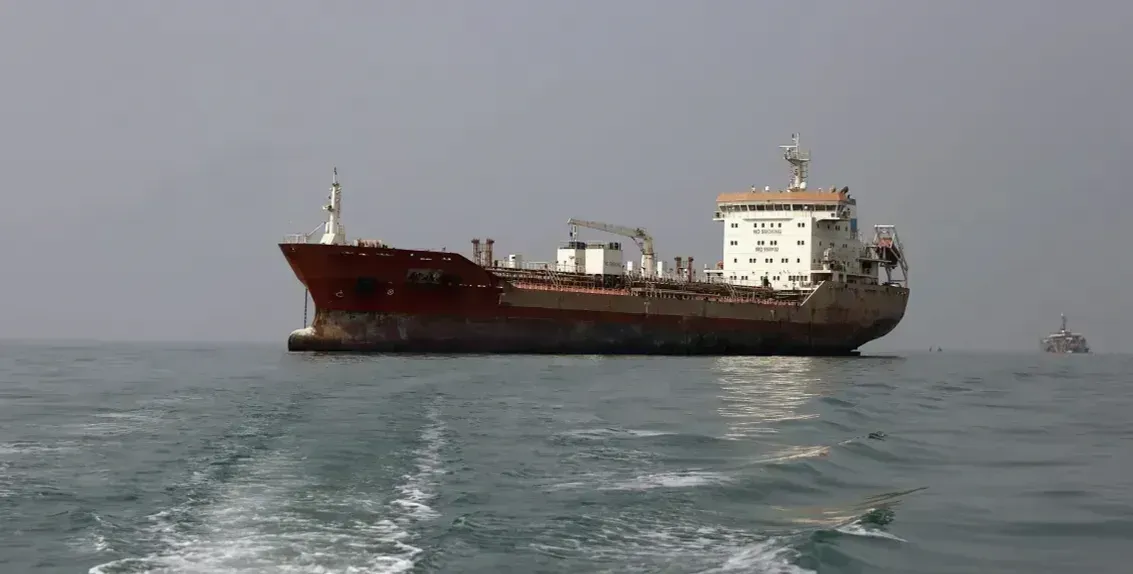
The Strait of Hormuz has always been a critical artery for global energy, but recent escalations in conflict have turned it into a gold mine for those brave or desperate enough to sail through it. As Iran ramps up drone and missile strikes to assert its influence over the chokepoint, the financial rewards for maritime crews have skyrocketed. Captains who once earned modest monthly salaries are now seeing payouts as high as 100,000 dollars a month, supplemented by massive bonuses for every successful transit. This surge in danger money is essentially the only way shipowners can convince crews to face the very real possibility of attack.
For the rank and file sailors, the increase is equally dramatic. While base pay remains low, often around 1,500 dollars a month, journeys through the strait can quadruple or sextuple their typical earnings. Some crews specialize in shuttle runs, repeatedly weaving in and out of the Gulf to facilitate ship to ship transfers, allowing them to stack bonuses upon bonuses. The sums have become so astronomical that industry insiders have begun describing these mariners less like traditional merchant sailors and more like mercenaries of the sea. However, the atmosphere isn’t entirely voluntary; reports suggest some crew members feel immense pressure to remain on board despite the terror.
Beyond the payroll, the economic ripple effects are staggering. Insurance premiums for supertankers can now reach 20 million dollars per vessel, while daily freight rates have soared from tens of thousands to over a million dollars. To put this volatility into perspective, chartering a tanker from the United States to China can now cost more than launching a SpaceX Falcon 9 rocket. These spiraling costs are beginning to eat away at profit margins for refineries and traders worldwide, creating a fragile economic ecosystem where shipping costs threaten to outweigh the value of the oil itself.
Despite these figures, there is a lingering fear that we haven’t seen the worst of it. Experts warn that if diplomatic efforts fail or tensions peak further, Iran could shift from targeted strikes toward a scorched earth policy against regional oil infrastructure. With dozens of ships already hit and numerous lives lost since February, the maritime community remains on edge. For now, however, as long as the world demands oil from across this narrow stretch of water, there will be captains willing to gamble their safety for life changing wealth.