
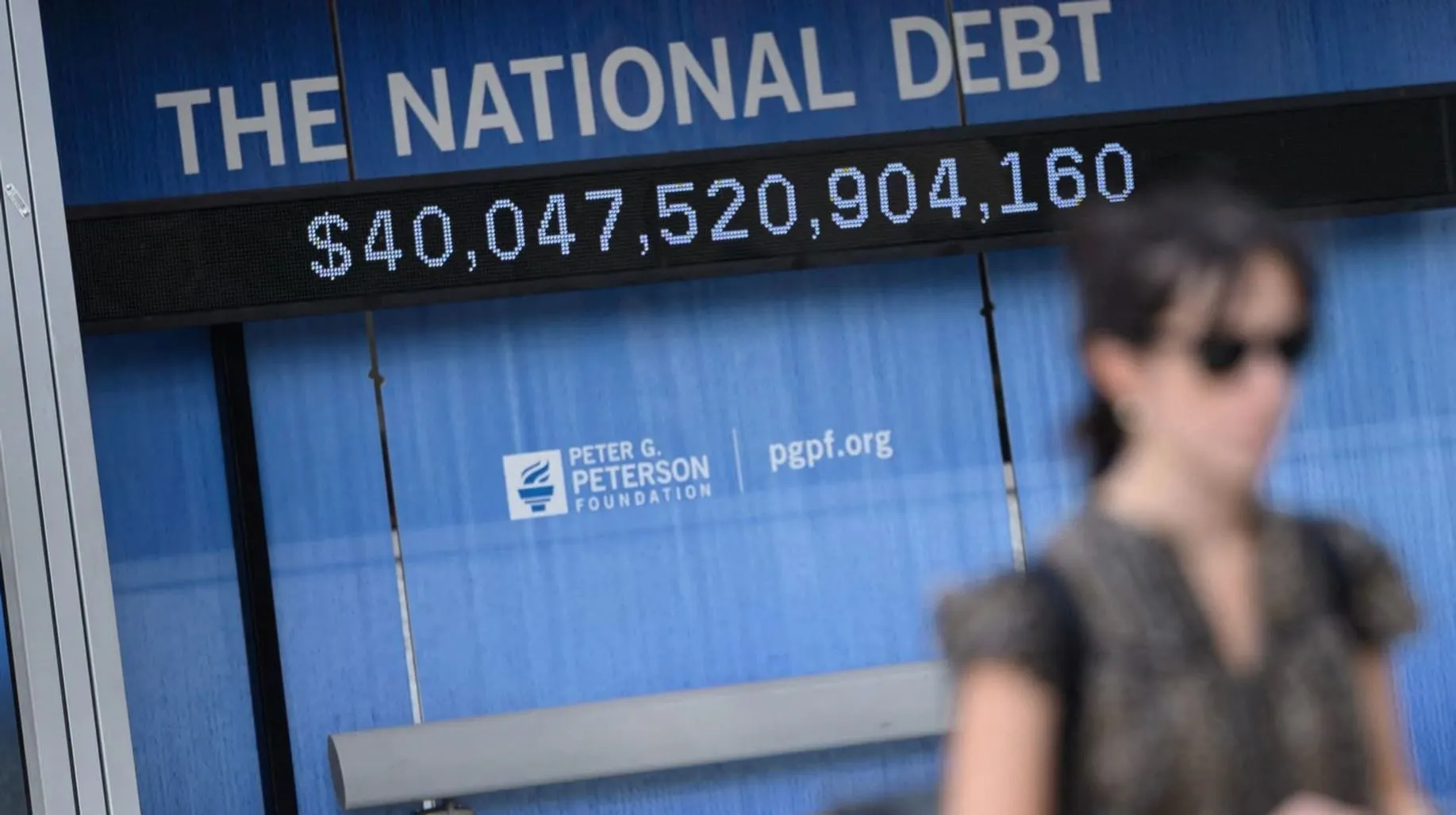
The United States closed its 2026 fiscal year facing a staggering budget deficit of nearly two trillion dollars, marking a sharp twelve percent increase over the previous year. According to data released Friday by the Treasury Department, the final tally reached 1.992 trillion dollars, making it the third largest annual deficit in American history. This surge places it just behind the massive spending spikes seen during the height of the pandemic in 2020 and 2021, signaling deep financial strain on the national balance sheet.
This milestone marks twenty five consecutive years since the federal government last operated with a surplus, a feat not achieved since 2001. While individual income taxes rose seven percent to bring in over two point eight trillion dollars, these gains were eclipsed by soaring expenditures. Social Security remained the heaviest burden at nearly one point seven trillion dollars, followed closely by Medicare at approximately one point one trillion. Perhaps most concerning is that net interest payments alone have now crossed the one trillion dollar threshold, reflecting the growing cost of servicing a total national debt that has surpassed forty trillion dollars.
Market reactions have been swift and anxious, with bond traders pushing long term Treasury yields to their highest levels in over two decades. To combat this trend, Treasury Secretary Scott Bessent has suggested that global economic expansion could help the country grow its way out of its obligations. Meanwhile, President Trump has leaned heavily into aggressive tariff strategies to bolster revenue, though these efforts have faced significant headwinds following a Supreme Court ruling that deemed several levies unconstitutional and forced billions in refunds back to retailers.