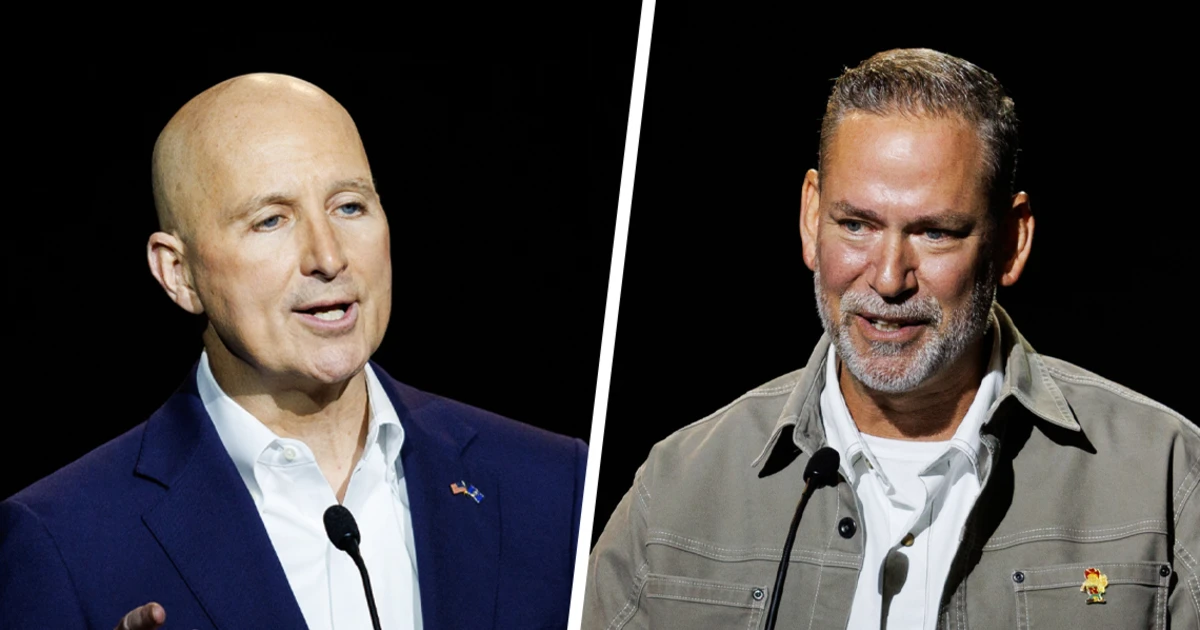
In the quiet corners of Omaha, including the aromatic aisles of local cigar shops, a surprising shift is taking place among some of Nebraska’s most reliable conservative voters. Gunner Arellano, a Marine Corps veteran and staunch supporter of Donald Trump, says he is skipping Senator Pete Ricketts this November in favor of Dan Osborn. An independent backed by the Democratic Party, Osborn is gaining traction by presenting himself as a champion for everyday people, contrasting sharply with Ricketts, a wealthy former governor whom critics argue has become detached from his constituents.
This sentiment is fueling hopes within the Democratic Party that they can snatch a Senate seat in a state traditionally viewed as deep red. While Republicans remain confident due to their historical dominance and strong margins for Trump, Democrats are betting on a resurgence of prairie populism. They point to economic pressures such as rising fuel prices and the fallout from trade tariffs in rural areas as catalysts that could push working-class voters toward Osborn. This optimism extends beyond the Senate race to Nebraska’s second congressional district, where recent electoral trends suggest the area is becoming increasingly competitive.
The financial divide in the race highlights just how seriously both sides are treating this contest. Recent data shows that Republicans and allied outside groups have poured millions into television advertising to protect their hold on the seat. Some GOP strategists view this aggressive spending as a necessary measure to define Osborn before he gains too much momentum, while Democratic leaders argue that no amount of money can fix a perceived lack of authenticity or trust between Ricketts and the electorate. For many undecided voters, the choice comes down to whether they value established partisan loyalty or desire an outsider who feels more aligned with their daily struggles.
However, the path to victory remains steep for Democrats. Many longtime residents still view the national party’s platform with suspicion, fearing a leftward ideological shift that alienates traditional Midwestern values. While some workers find Osborn’s union background appealing, others see him as part of a broader political trend they find alarming. As election day approaches, Nebraska has transformed into an unlikely focal point for national observers watching to see if populist appeal can override rigid party lines in the heartland.