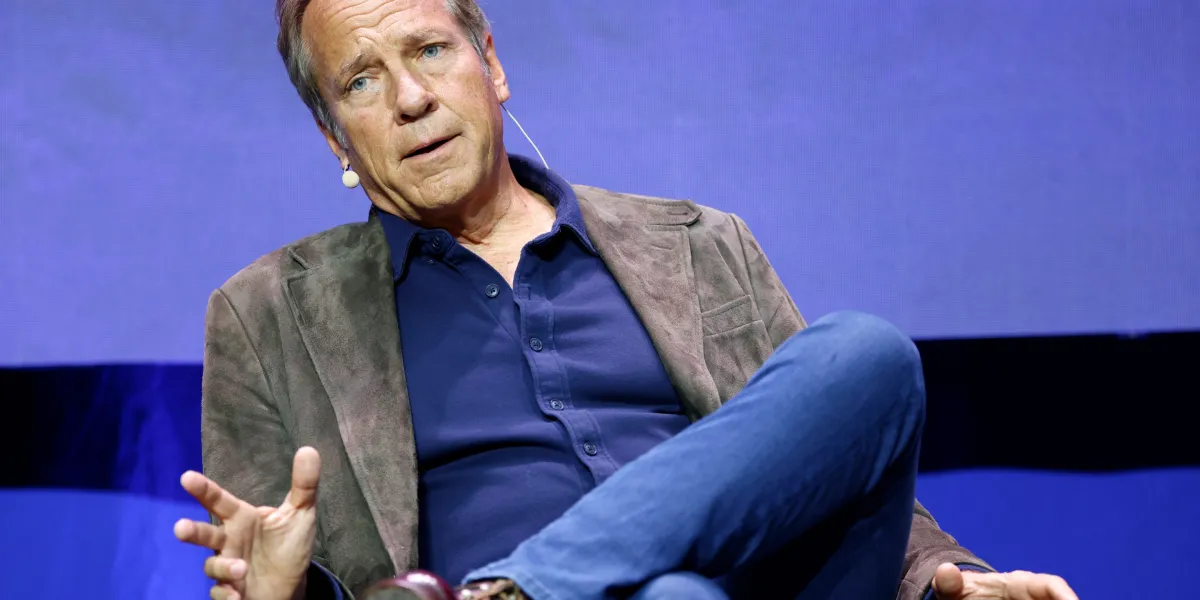
Mike Rowe isn’t interested in partisan debates when it comes to the American workforce; he is interested in the math. Speaking at a recent Ford Pro Accelerate panel, the former Dirty Jobs host laid out a sobering statistic regarding the nation’s skilled labor shortage: for every five tradespeople who retire each year, only two are stepping in to replace them. For Rowe, this deficit is not a political talking point but a dangerous reality that affects everything from basic home repairs to national security. Whether it is waiting weeks for a plumber or struggling to maintain the nuclear submarine fleet, Rowe argues that the widening gap in welding, electrical work, and industrial maintenance is becoming impossible to ignore.
The crisis extends far beyond residential services and deep into the heart of American defense and manufacturing. During the discussion, Rowe highlighted a staggering need identified by the BlueForge Alliance, which represents thousands of companies tasked with building next-generation submarines. The organization estimates that roughly 100,000 workers in critical manufacturing trades will be required over the next decade. When asked where these workers would come from, Rowe pointed toward middle schoolers currently in the eighth grade, noting that because these skills take years to master, companies cannot simply recruit their way out of a shortage that started years ago.
Education Secretary Linda McMahon joined the conversation by advocating for a systemic overhaul of how students transition from classrooms to careers. McMahon suggested that high schools must integrate more closely with community colleges and vocational programs so students can earn industry credentials alongside their diplomas. She specifically challenged the social stigma surrounding trade schools, pushing back against the notion that skilled labor is merely a fallback plan for students who aren’t academic enough for a traditional four-year university. By introducing hands-on learning like virtual welding earlier in schooling, McMahon believes the path to these essential jobs can become more attractive and accessible.
Ultimately, Rowe argued that society needs to abandon outdated labels like blue collar and white collar entirely. In an era where smartphones provide instant access to world-class lectures and vast amounts of data, he suggests moving toward a purple workforce where intellectual curiosity and practical skill coexist. Rather than choosing between being a philosopher or a welder, Rowe envisions a future where citizens are encouraged to be both. To him, the ideal modern worker is someone who can run an even weld on a pipe while simultaneously engaging in critical thinking about stoichiometry or philosophy, blending mental agility with manual expertise to keep the country running.